Is Your Melbourne Lawn Turning Brown in November? Dormancy, Dry Weather, or Pests?
Worried about your brown Melbourne lawn this November? Discover if it's just the season, needs more water, or if hidden pests are causing the damage. Halo's Pest Arrest Inc. helps you identify the issue and restore your lawn's health.
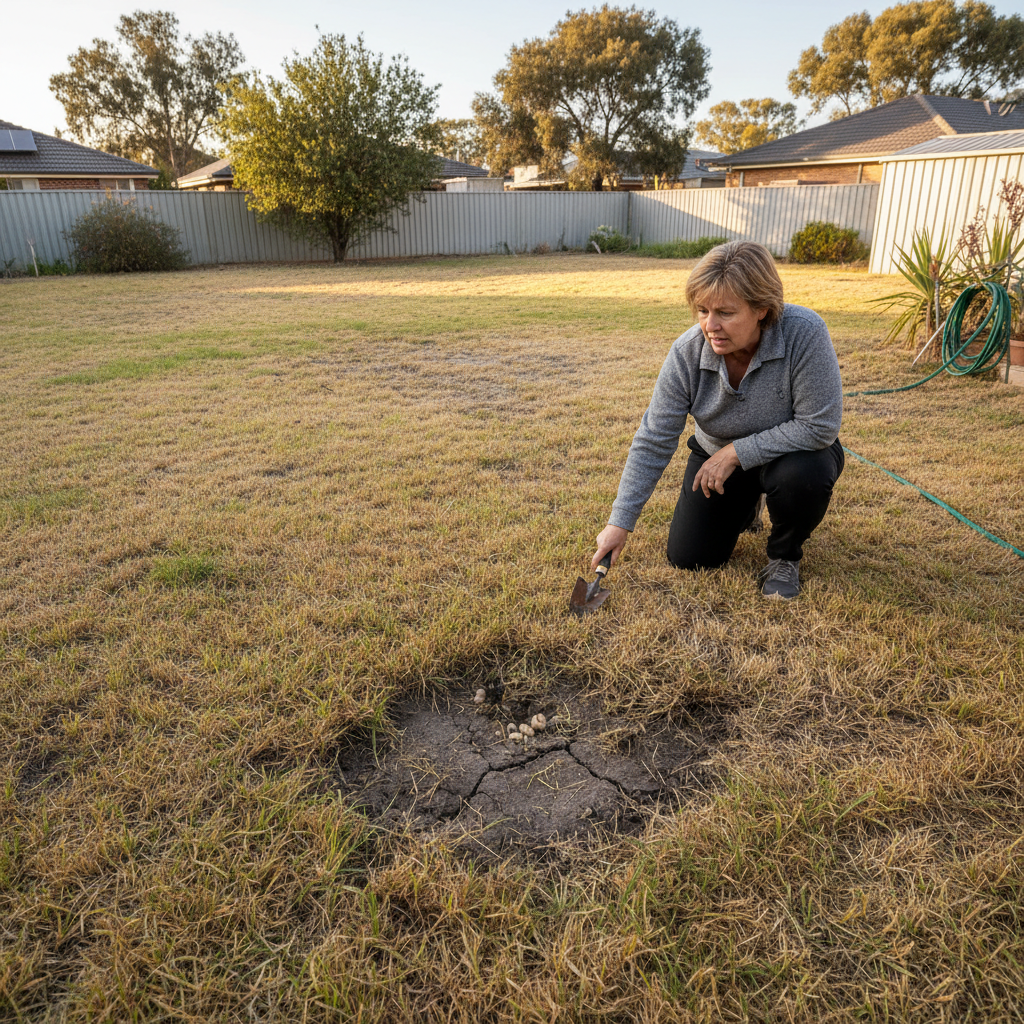
November on the Treasure Coast and Space Coast brings cooler mornings, less rain, and shorter days. For a lot of homeowners in Melbourne, Palm Bay, Sebastian, and Vero Beach, it also brings a lawn that suddenly looks a little dull or patchy. Some of that is normal. Some of it is a sign that something needs attention before winter.
Normal Slowdown: Why Grass Looks Duller Now
St. Augustine, Bahia, and Zoysia are warm-season grasses. As nights cool down, they grow more slowly and may lose a bit of their deep green color. That even, all-over fade is usually just the lawn easing into its slower season, and it bounces back as temperatures warm up in spring.
What is not normal is browning in distinct patches, spots that keep spreading, or areas that feel spongy or pull up easily. Those usually point to something else.
Dry Spots From the End of the Rainy Season
Our rainy season is over, and many sprinkler systems are still set for summer or are not reaching every corner. Dry spots often show up first near driveways, sidewalks, and along the edges of the yard where heat reflects off concrete. The grass looks gray-green, footprints stay visible after you walk on it, and the blades may fold in half.
A quick check of your sprinkler heads and coverage can fix a lot of these. Always follow your county's current watering schedule.
Lawn Pests That Cause Patches
Chinch bugs love sunny, dry St. Augustine lawns. Patches turn yellow, then straw brown, usually starting near pavement and spreading outward.
Sod webworms and armyworms chew grass blades down, leaving ragged, thinning areas. You may see small moths flying up when you walk across the lawn in the evening.
Mole crickets tunnel under Bahia and St. Augustine, leaving soft, spongy spots and raised trails.
Fungus such as large patch can leave brown circles as temperatures cool and morning dew sits on the grass.
If a brown area keeps growing week after week, that is a good sign it is not just the weather.
How Halo's Pest Arrest's Lawn Program Helps
Halo's Pest Arrest offers lawn spray visits every 2 months and granular fertilization every 4 months for homes across Indian River and Brevard counties. Regular visits keep your lawn fed and help catch weeds and lawn pests before small spots turn into big dead patches. We never spray in the rain, and every quote is free.
Frequently Asked Questions
Should I fertilize my lawn heavily in November to green it back up?
Not usually. Grass is slowing down, so pushing hard with fertilizer now is not the best fix. A steady, scheduled program works better than a big late-season boost.
How can I tell pests from dry spots?
Dry spots usually perk up after a good watering. Pest damage keeps spreading and often has a clear edge where healthy grass meets damaged grass.
Will a brown lawn come back on its own?
An even cool-season fade will. Patches caused by chinch bugs, webworms, or mole crickets often do not recover without treatment.
Want a Healthier Lawn This Winter?
Not sure what is causing those brown spots? Call Halo's Pest Arrest at (772) 584-1716, Monday through Friday from 8am to 5pm, or request a free quote on our website. We proudly serve homeowners across Indian River and Brevard counties, including Melbourne, Palm Bay, Sebastian, Vero Beach, Fellsmere, and Micco.
Get Your Free Pest Control Quote in Sebastian, FL
Tired of pests in your Sebastian home? Halo's Pest Arrest Inc. is here to help! Fill out our quick form to receive a free, no-obligation quote for effective pest control services. Our local experts will call you back to discuss your unique pest problem and provide a tailored solution to protect your home and family. Get started on a pest-free life today!
More Blogs
Some other blogs you might be interested in
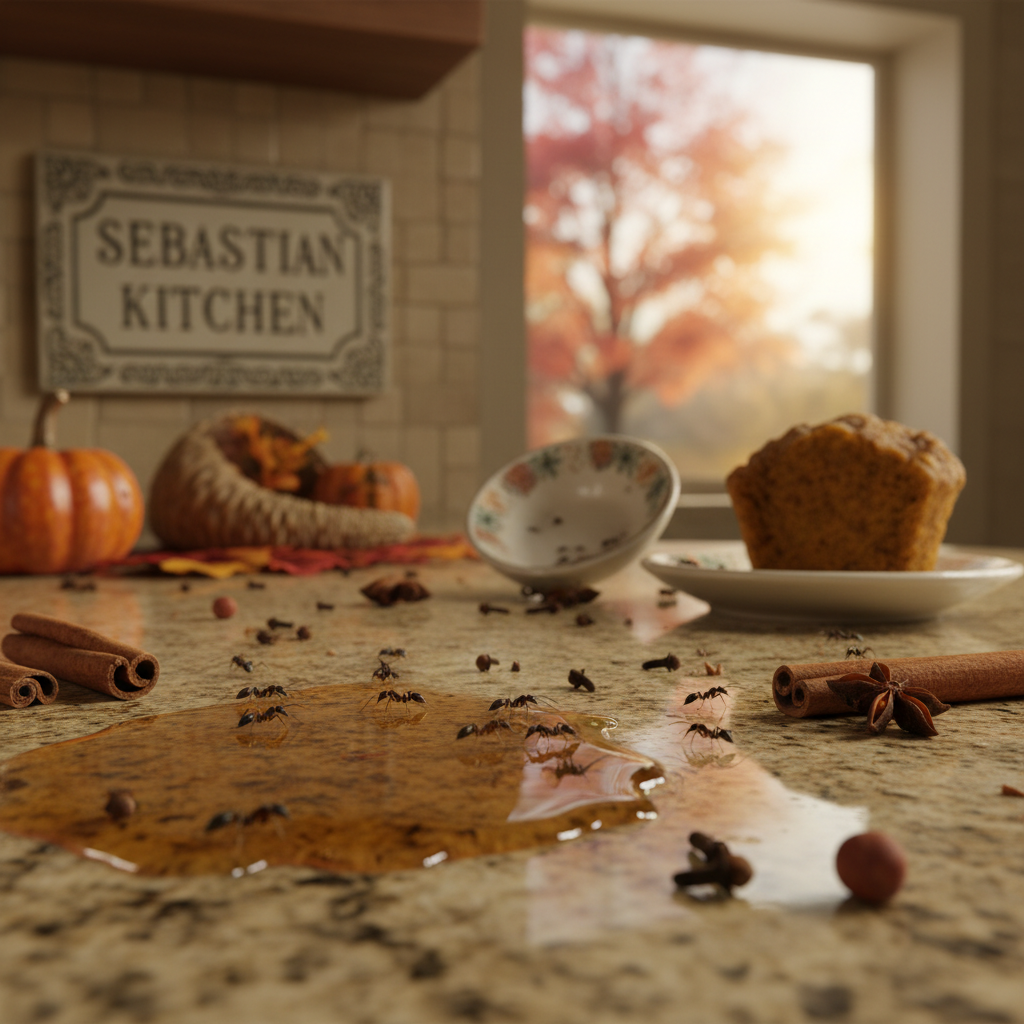
Tiny Ants in Your Sebastian Kitchen This Fall? Ghost Ants, White-Footed Ants, and What to Do
Seeing trails of tiny ants on your counters in Sebastian, Vero Beach, or Palm Bay? Learn how to tell ghost ants, white-footed ants, and big-headed ants apart, why store-bought sprays often make it worse, and how Halo's Pest Arrest can help.
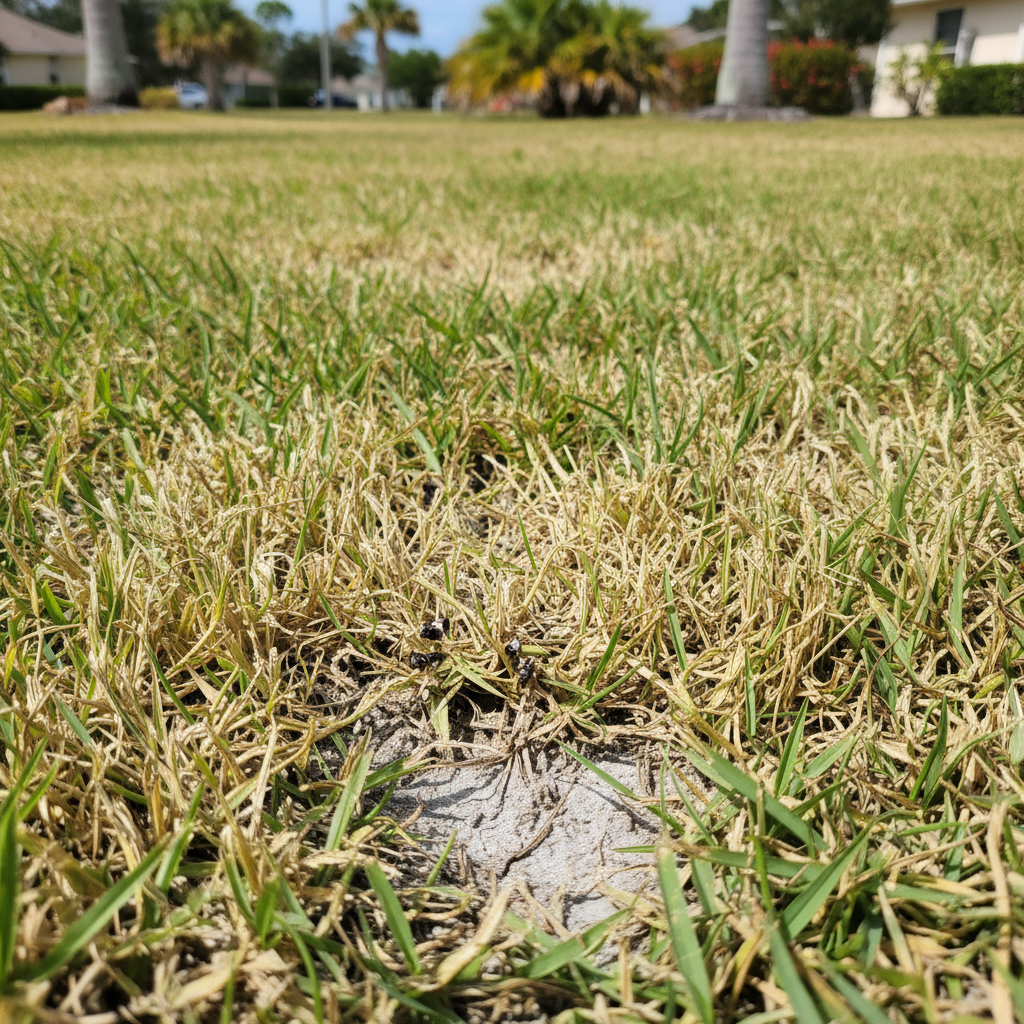
Yellow Patches in Your St. Augustine Lawn? Chinch Bugs and Florida's Dry Season
Yellow, dry-looking patches spreading in St. Augustine lawns in Vero Beach, Sebastian, and Palm Bay as the rains taper off? Chinch bugs could be the cause. Learn the signs, a simple at-home check, and how Halo's Pest Arrest's lawn program helps.
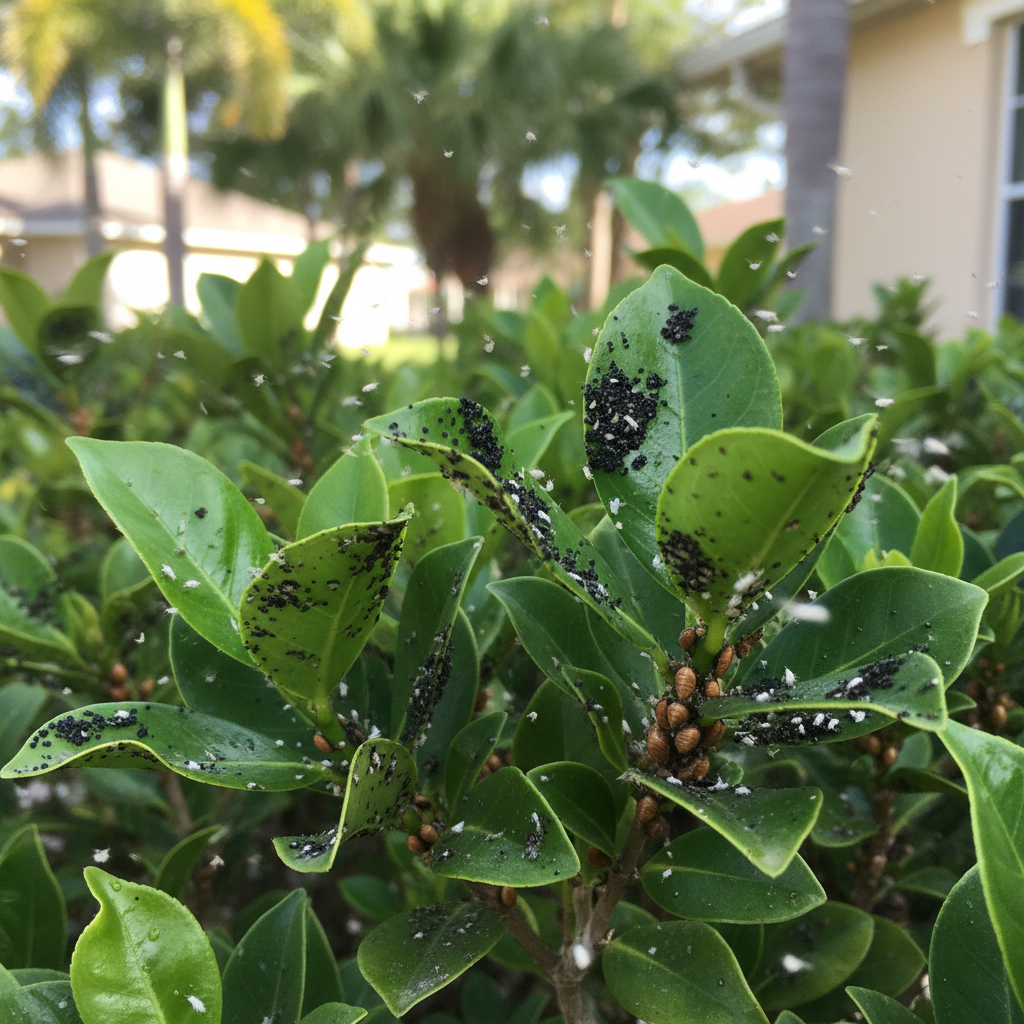
Sticky Leaves and Black Mold on Your Vero Beach Shrubs? Whiteflies and Scale Could Be the Cause
Sticky, shiny leaves or black sooty mold on hibiscus, gardenias, and ficus hedges in Vero Beach, Sebastian, and Palm Bay? Whiteflies, scale, or aphids are often to blame. Learn the signs and how Halo's Pest Arrest's shrub service helps.