
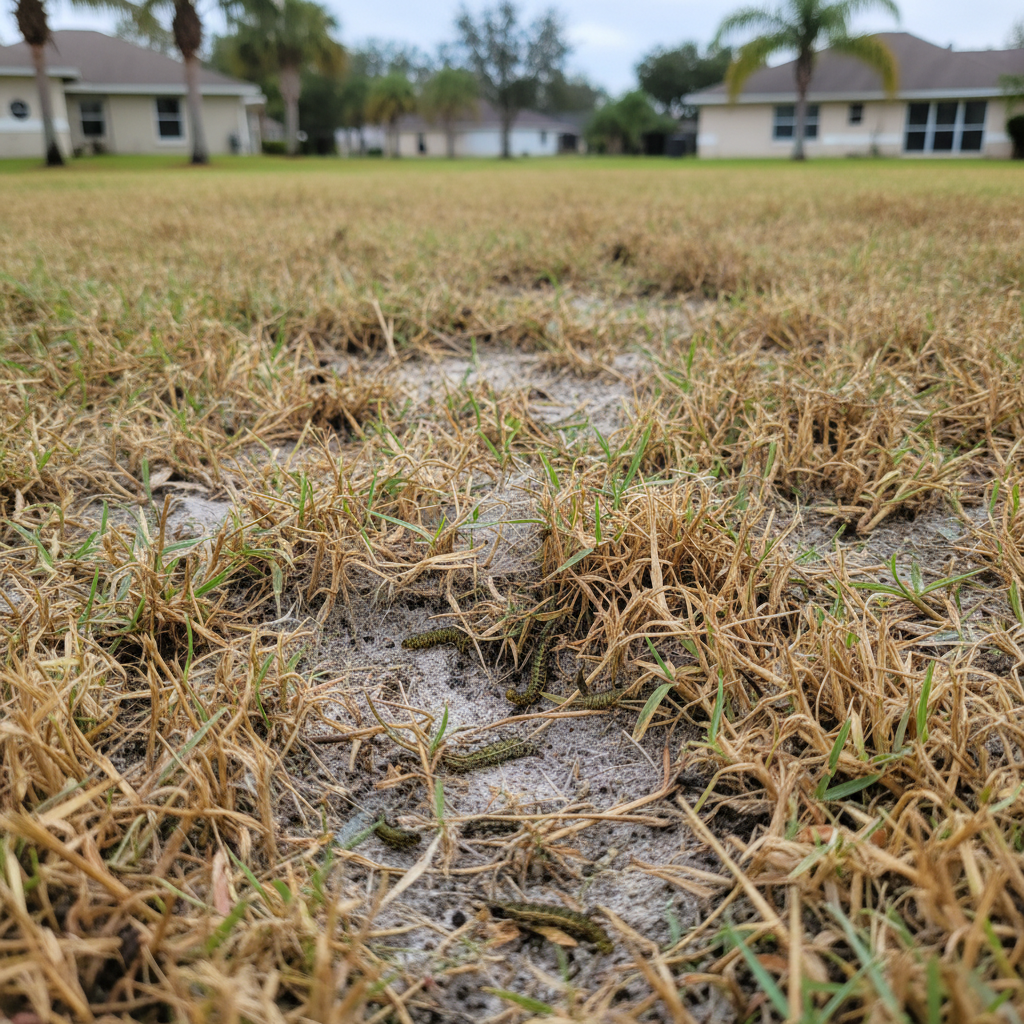
Chewed-Up Lawn in Palm Bay This Fall? Sod Webworms and Armyworms Could Be to Blame
Is your beautiful Palm Bay lawn looking ragged and chewed up this autumn? Don't let tiny pests ruin your outdoor space! Discover if sod webworms or armyworms are the culprits damaging your grass. Halo's Pest Arrest Inc. offers expert lawn pest control in Palm Bay to protect your home's curb appeal and bring your lawn back to life.
Chewed-Up Lawn in Palm Bay This Fall? Sod Webworms and Armyworms Could Be to Blame
Early fall on the Space Coast is a funny time for lawns. The rainy season is winding down, the grass still looks like it should be thriving, and then one morning you notice a ragged, thin, brownish patch that wasn't there last week. A few days later, it's bigger.
If that sounds familiar, there's a good chance caterpillars are eating your grass. In Palm Bay, Melbourne, and across Brevard and Indian River counties, the two usual suspects this time of year are tropical sod webworms and fall armyworms. Here's how to tell what you're dealing with and what to do about it.
What Are Sod Webworms?
Sod webworms are the caterpillars of a small, tan moth. The moths themselves don't hurt anything, but they lay eggs in your lawn, and the caterpillars that hatch feed on grass blades at night. During the day they hide down near the soil.
They show up most from late summer through fall, and they'll feed on St. Augustine, zoysia, bermuda, and bahia grass alike.
What Are Fall Armyworms?
Fall armyworms are bigger caterpillars, usually green, brown, or nearly black with light stripes down their sides and a pale upside-down "Y" on the head. They get their name because they move across a lawn in large numbers, almost like an army, eating as they go. A heavy outbreak can strip a section of lawn down to the runners in just a few days.
Signs Caterpillars Are Eating Your Lawn
Ragged, chewed blades.
Look closely at the edge of a damaged area. If the grass looks notched, shredded, or chewed down instead of simply dried out, caterpillars are a strong possibility.
Patches that grow fast.
Damage can go from a small thin spot to a big brown area in under a week.
Little moths flying up at dusk.
If small tan moths flutter up out of the grass when you walk across the lawn in the evening, they're likely laying the next round of eggs.
Birds pecking all over the yard.
Lots of birds working the same area of grass are often feasting on caterpillars.
Tiny green pellets.
Caterpillar droppings look like small green or brown specks down in the thatch.
Try the Soap Test
Here's an easy way to check at home. Mix about 2 tablespoons of liquid dish soap into a gallon of water. Pour it slowly over a 2-by-2-foot area right at the edge of the damage, where green grass meets brown. Watch for 5 to 10 minutes. The soap irritates the caterpillars, so if they're there, they'll wiggle up to the surface where you can see them.
If nothing comes up, the problem may be something else, like chinch bugs, fungus, or a sprinkler that isn't reaching that spot.
What You Can Do to Help Your Lawn
Act quickly.
Caterpillar damage spreads fast, so the sooner the lawn is treated, the less grass you lose.
Don't overdo the nitrogen.
Lush, heavily fertilized grass is a magnet for egg-laying moths. A balanced fertilization schedule is better than a heavy fall push.
Keep mowing at the right height.
Mowing too short stresses the grass and makes it harder for it to bounce back.
Water when the lawn needs it.
A lawn that's already stressed from drought has a harder time recovering from caterpillar feeding.
Give it time.
Caterpillars usually eat the blades, not the runners and roots, so a treated lawn often greens back up in a few weeks.
When to Call a Professional
If the soap test brings up caterpillars, the damage keeps spreading, or you just can't tell what's going on, it's time to get help. Halo's Pest Arrest offers lawn insect control, lawn spraying, and fertilization programs for homeowners in Palm Bay, Melbourne, West Melbourne, Malabar, Grant-Valkaria, Micco, Sebastian, Vero Beach, and the rest of Brevard and Indian River counties. We'll find out what's really damaging your grass and treat the actual problem.
Frequently Asked Questions
Will sod webworms or armyworms kill my lawn?
Usually not, as long as the problem is caught early. They mostly eat the leaf blades. But a lawn that gets hit hard and isn't treated can thin out badly, which lets weeds move in.
Why did the damage show up so fast?
The caterpillars do most of their eating when they're bigger, so the damage can seem to appear overnight even though they've been there for a week or two.
Do I need to treat the whole yard?
Not always. A technician can look at how widespread the activity is and treat what's needed.
Is this the same as chinch bug damage?
No. Chinch bugs suck the juices out of the grass, so it turns yellow and then dry and straw-colored, mostly in hot, sunny spots. Caterpillar damage looks chewed and ragged. The treatment plan can be different, so it's worth getting it identified.
Save Your Lawn Before It Gets Worse
Don't let caterpillars eat your yard this fall. Call Halo's Pest Arrest at (772) 584-1716 for a free quote. We're open Monday through Friday, 8am to 5pm, and proudly serve homeowners across Brevard and Indian River counties.
Get Your Free Pest Control Quote Today!
Ready to get rid of unwanted pests in your Sebastian, FL home? Tell us a little about your pest problem, and our friendly experts from Halo's Pest Arrest Inc. will call you back to discuss your needs and provide a customized quote. No pressure, just solutions for a pest-free home!
More Blogs
Some other blogs you might be interested in
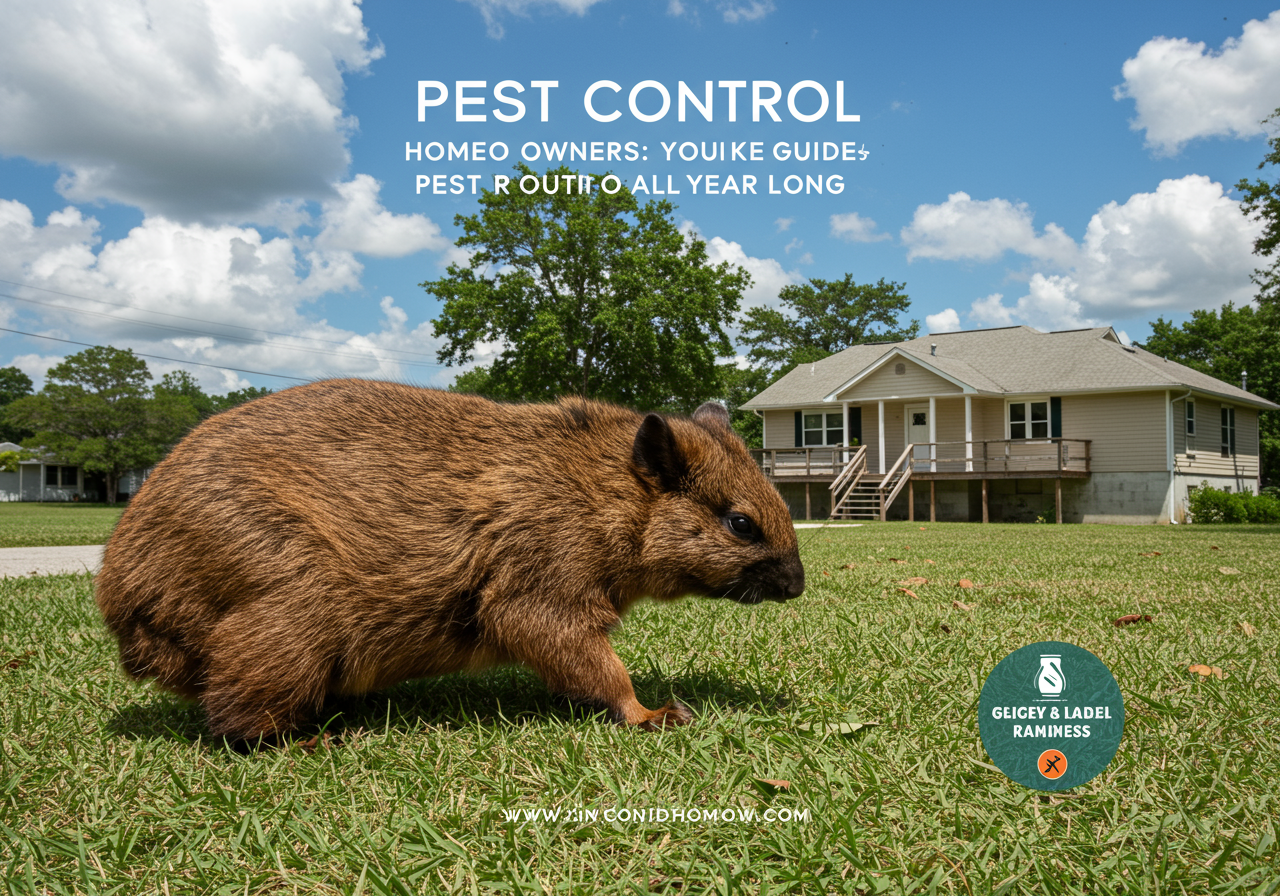
Florida Pest Control for Homeowners: Keep Pests Out Year-Round
Florida homeowners, learn how to keep your home pest-free all year long! Get expert prevention tips and solutions from Halo's Pest Arrest Inc.
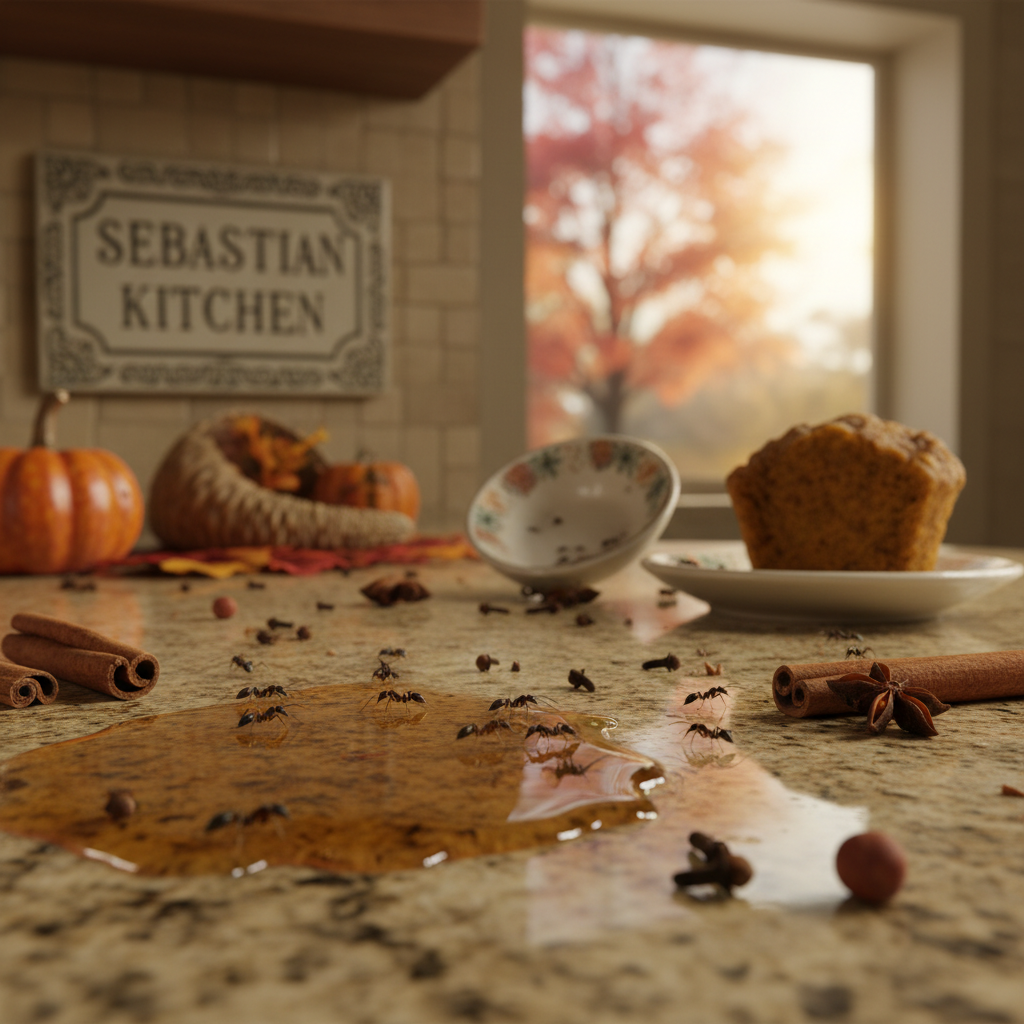
Tiny Ants in Your Sebastian Kitchen This Fall? Ghost Ants, White-Footed Ants, and What to Do
Seeing trails of tiny ants on your counters in Sebastian, Vero Beach, or Palm Bay? Learn how to tell ghost ants, white-footed ants, and big-headed ants apart, why store-bought sprays often make it worse, and how Halo's Pest Arrest can help.
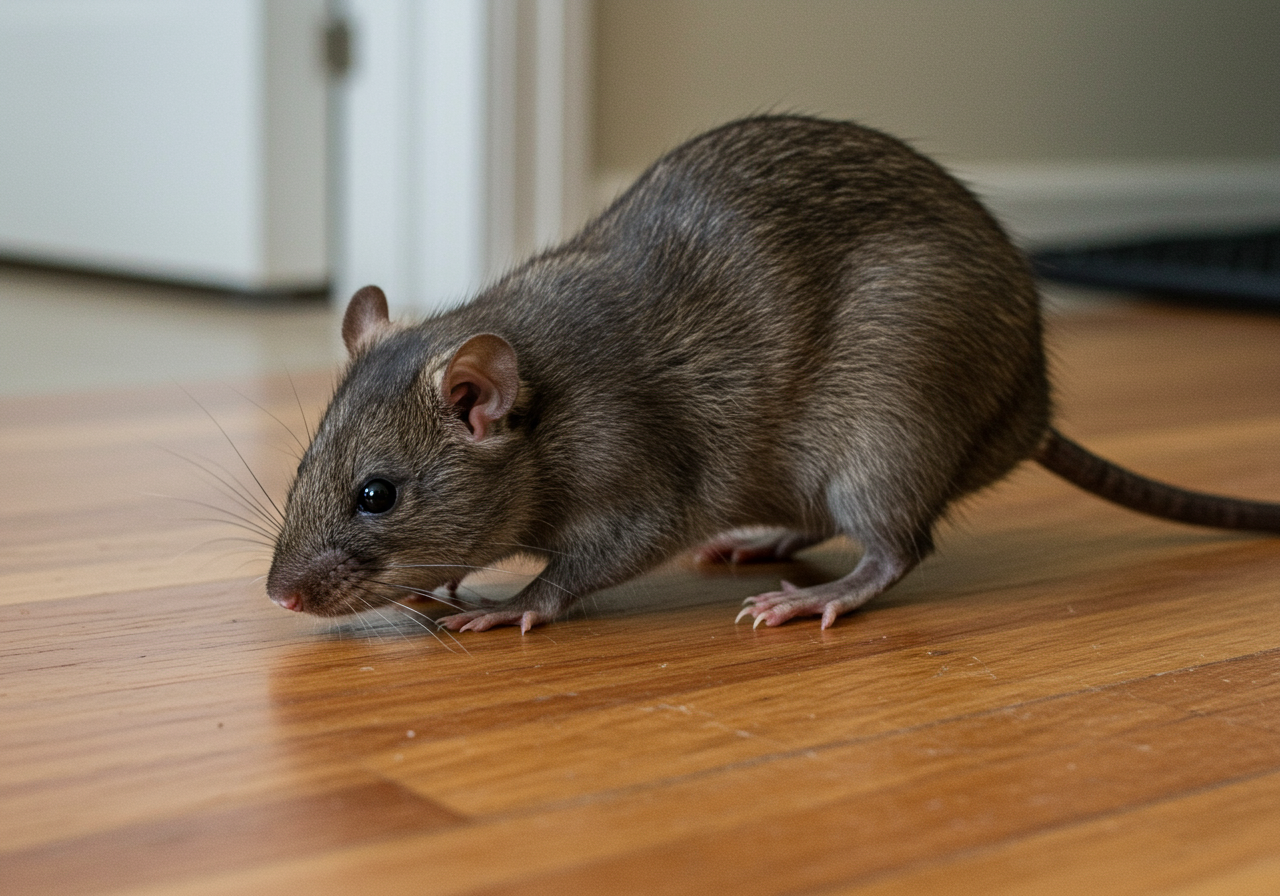
Indian River County Rodent Control: Top Tips for a Pest-Free Home
Is your Indian River County home truly clean? Not with rodents! Get top tips for effective rodent control to protect your property and family. Halo's Pest Arrest Inc. helps homeowners keep pests away.