
Brown Circles in Your Vero Beach Lawn This Fall? It Could Be Large Patch Fungus
Discover why your beautiful Vero Beach lawn might be showing unsightly brown circles this fall. Learn about Large Patch Fungus, a common lawn issue, and how Halo's Pest Arrest Inc. can help restore your yard's health and beauty. Protect your investment with expert lawn care tips and effective solutions.
Brown Circles in Your Vero Beach Lawn This Fall? It Could Be Large Patch Fungus
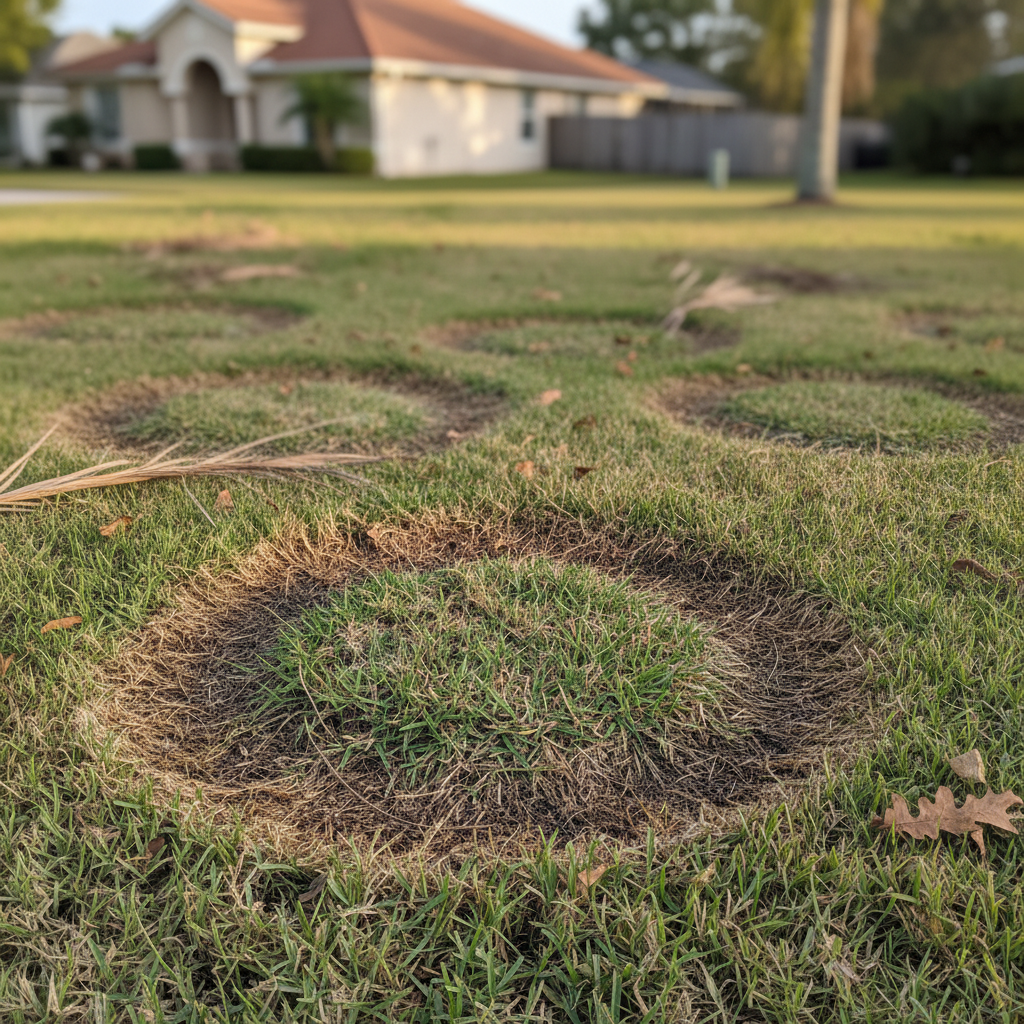
Fall in Vero Beach is a relief. The worst of the heat breaks, the afternoon storms ease up, and evenings on the porch finally feel good again. But a lot of homeowners notice something odd in the yard about now: rings or circles of yellow, orange, or brown grass that seem to show up overnight and keep getting bigger.
If you have St. Augustine or zoysia grass, there's a good chance you're looking at large patch, a common lawn fungus that likes Florida's fall and winter weather. Here's how to spot it, how to tell it apart from chinch bug damage, and what you can do about it.
What Is Large Patch?
Large patch, sometimes called brown patch, is caused by a soil fungus that's naturally present in most lawns. It sits quietly through the summer heat. Then, as nights cool off and the grass stays wet for long stretches, it becomes active and starts attacking the base of the grass blades.
That's why it tends to show up in the Treasure Coast area from fall through early spring. Cool nights, heavy dew, extra irrigation, and shady spots that never fully dry out make the perfect setup.
Signs Your Lawn Has Large Patch
- Circular or ring-shaped patches. They often start small and spread outward, sometimes several feet across.
- A yellow or orange border. The edge of the patch is usually where the fungus is most active, and it can look bronze or orange compared to the healthy grass around it.
- Blades that pull right off. Tug on a few blades at the edge of the patch. If they slip easily off the runner and the base looks dark or rotted, that's a classic sign of large patch.
- Worse in wet or shady areas. Patches often appear first in low spots, near sprinkler heads, or where the shade of a house or tree keeps the grass damp.
Is It Fungus or Chinch Bugs?
This is the big question, because the two problems need completely different treatments, and treating the wrong one wastes time and money.
Chinch bug damage usually shows up in the hottest, sunniest, driest parts of the yard, like along the driveway, sidewalk, or street. The patches tend to be irregular rather than round, and the grass turns yellow and then dry, straw-brown. If you part the grass at the edge of a damaged area and look closely at the soil line, you may see tiny black-and-white insects moving around.
Large patch is the opposite. It likes cool, wet conditions, it forms rounder patches, and the blades rot at the base instead of drying out. Chinch bugs can still be active into the fall in Florida, though, so it's worth having a professional take a look if you're not sure.
What You Can Do to Help Your Lawn
A few simple habits can slow large patch down and help your grass recover:
- Water in the early morning, and only when the lawn needs it. Evening watering leaves the grass wet all night, which is exactly what the fungus wants. Cooler fall weather means your lawn usually needs less water than it did in summer.
- Go easy on fall fertilizer. Heavy doses of quick-release nitrogen this time of year can feed the fungus more than the grass.
- Mow with a sharp blade at the right height. Scalping the lawn stresses it. If you mow through an infected area, rinse off the mower afterward so you don't carry the fungus to healthy grass.
- Improve drainage and airflow. Trimming back low branches and shrubs lets sunlight and air dry out shady spots faster.
- Be patient with recovery. Once the fungus is under control, damaged areas often don't fully fill back in until the grass starts growing strongly again in spring.
When to Call a Professional
If the patches keep spreading, come back every year, or you can't tell whether you're dealing with fungus or insects, it's time to call in help. Halo's Pest Arrest offers fungus care, lawn spraying, and fertilization programs for homeowners in Vero Beach, Sebastian, Fellsmere, Micco, Palm Bay, Melbourne, and the rest of Indian River and Brevard counties. We'll figure out what's actually causing the damage and treat that problem, so you're not guessing.
Frequently Asked Questions
Will large patch kill my lawn?
Usually not. It mainly damages the leaf blades rather than the roots and runners. But a lawn that gets hit hard year after year can thin out, which opens the door to weeds.
Can I just water more to green it back up?
No. Extra water usually makes large patch worse. Cut back to early-morning watering only when the lawn actually needs it.
Why does it come back in the same spots?
The fungus lives in the soil, and the same conditions, like shade, poor drainage, or a sprinkler that overwaters, tend to keep showing up in the same areas. Fixing those conditions goes a long way.
Is it safe for my kids and pets?
Large patch itself isn't harmful to people or pets. If you're having the lawn treated, ask your technician how long to keep everyone off the grass afterward.
Get Your Lawn Back on Track
Don't let brown circles take over your yard this season. Call Halo's Pest Arrest at (772) 584-1716 for a free quote. We're open Monday through Friday, 8am to 5pm, and proudly serve homeowners across Indian River and Brevard counties.
Get Your Free Pest Control Quote Today!
Ready to get rid of pests? Fill out our quick form below! A friendly expert from Halo's Pest Arrest Inc. will reach out to discuss your specific needs and provide a free, no-obligation quote. We're here to help homeowners in Sebastian, FL and nearby areas enjoy a pest-free home again. Get started now!
More Blogs
Some other blogs you might be interested in
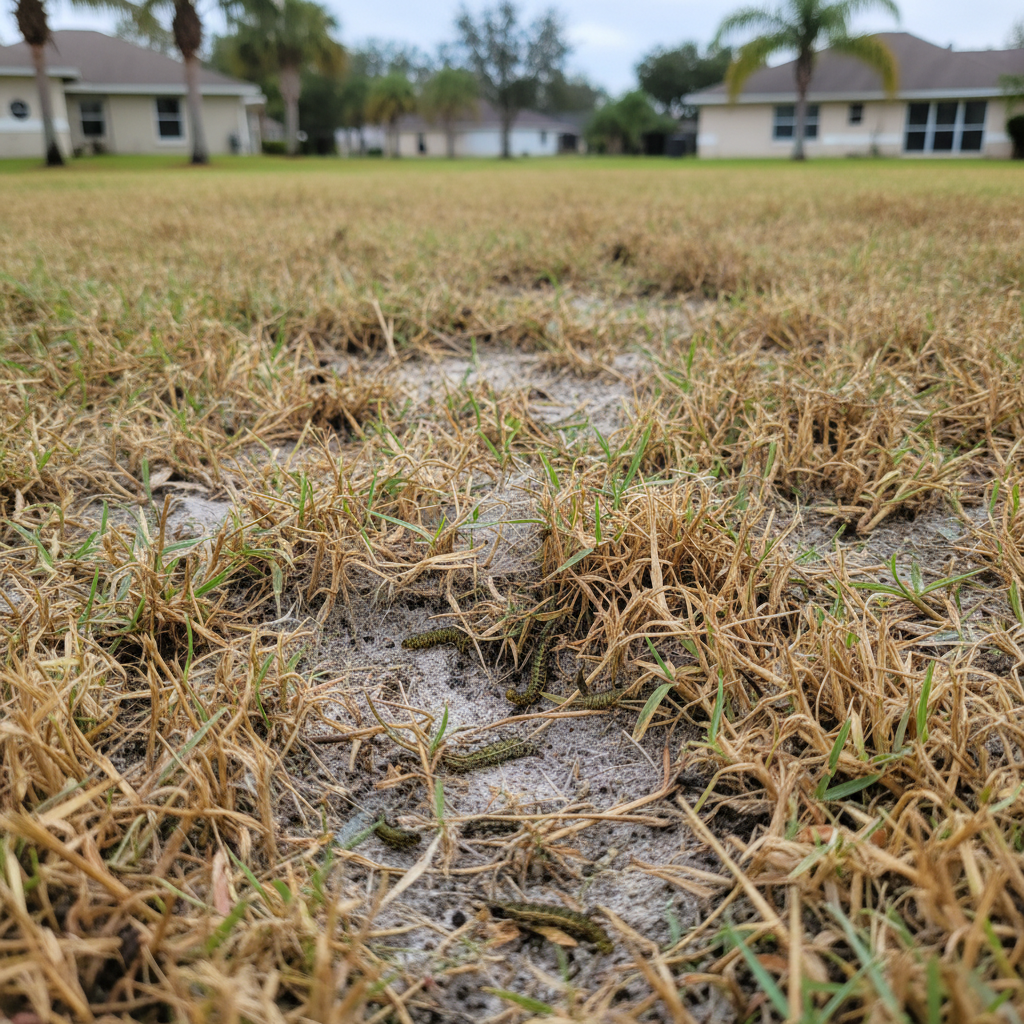
Chewed-Up Lawn in Palm Bay This Fall? Sod Webworms and Armyworms Could Be to Blame
Ragged, brown patches showing up in your Palm Bay or Brevard County lawn this fall? Learn how to spot sod webworms and fall armyworms, try a simple soap test at home, and find out how Halo's Pest Arrest Inc. can stop the damage.
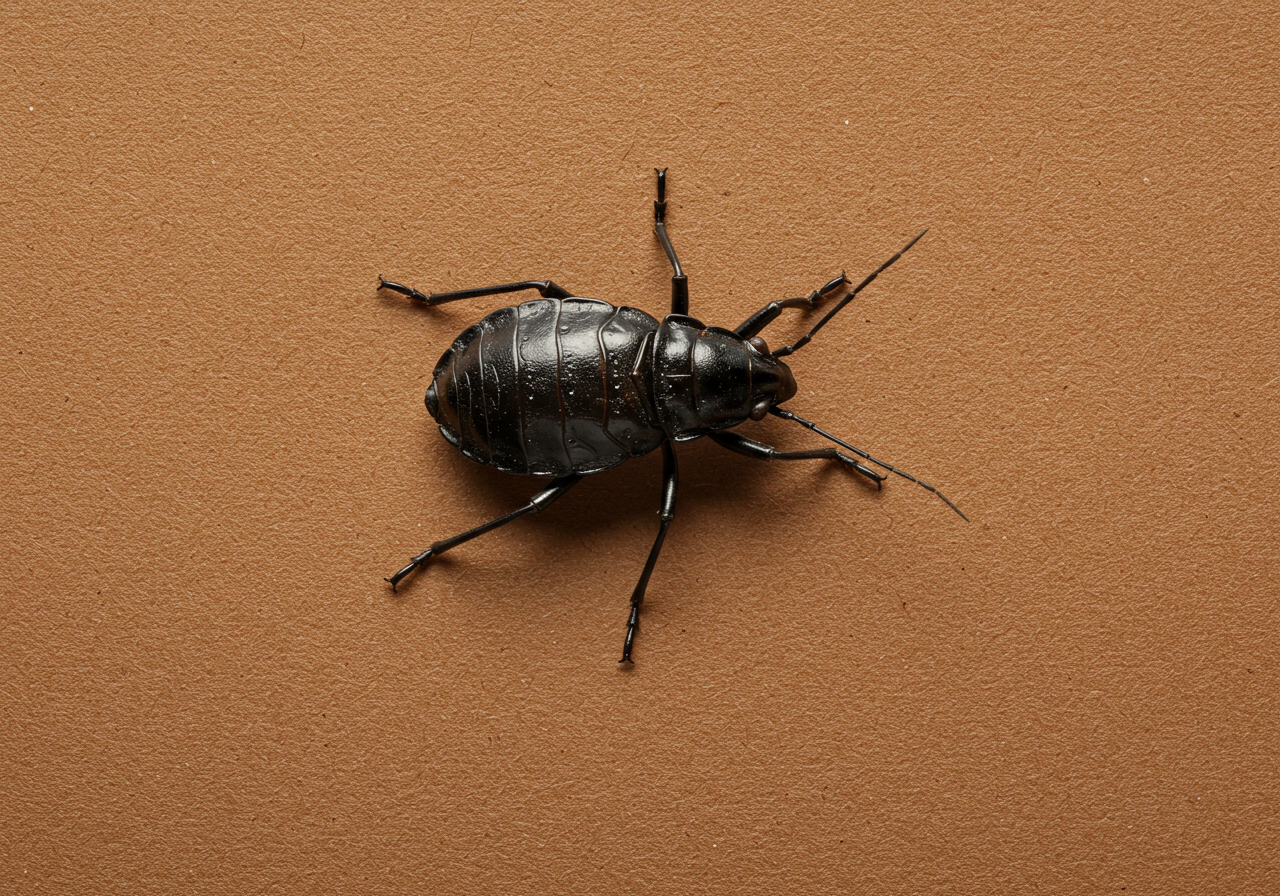
Brevard County Bed Bugs: Spot Signs & Expert Removal
Worried about bed bugs in your Brevard County home? Learn to spot the signs and why professional treatment from Halo's Pest Arrest Inc. is essential for complete removal.
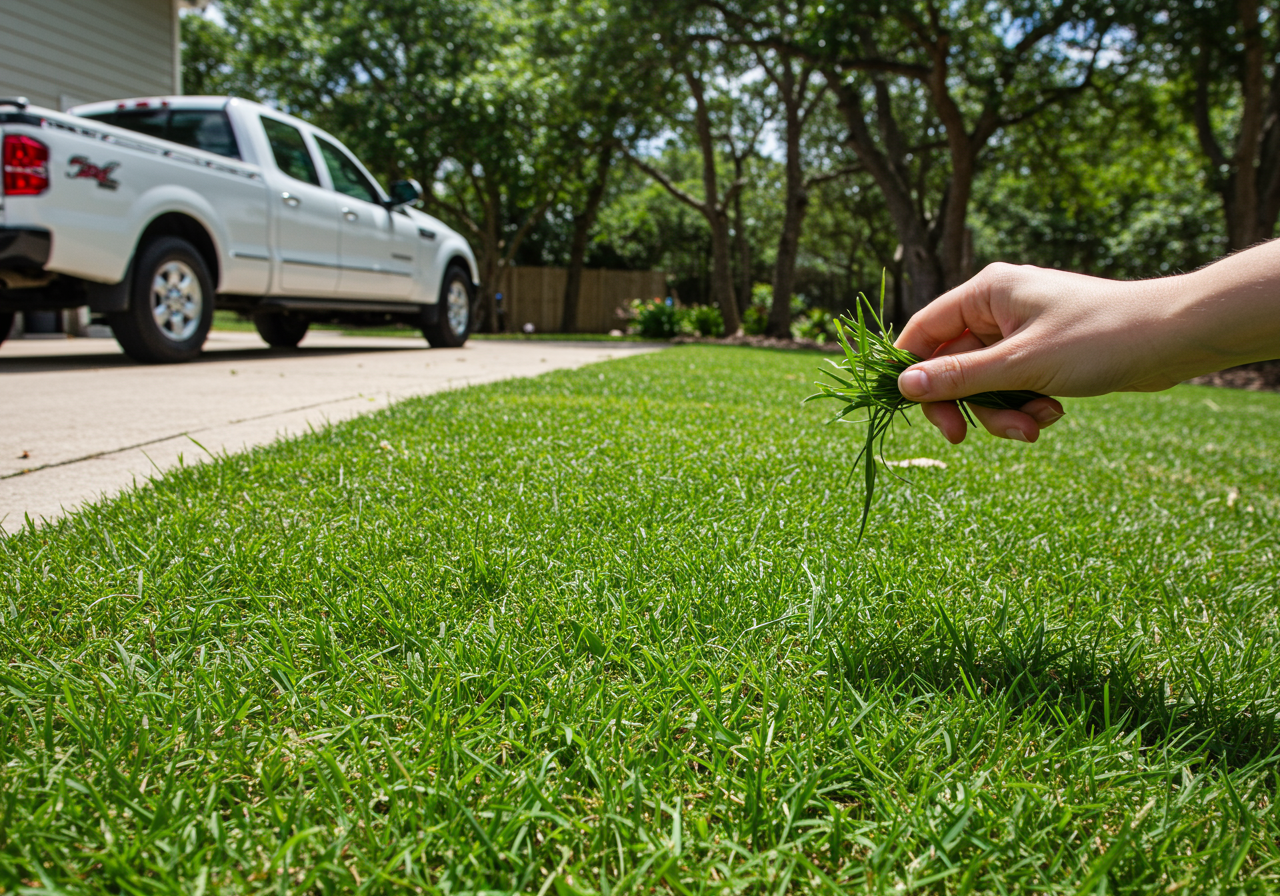
Green & Healthy Lawn in Sebastian, FL: Halo's Guide to a Weed-Free Yard
Halo's Pest Arrest Inc. shares local secrets to achieve a lush, weed-free lawn in Sebastian, FL. Get a vibrant, healthy yard that stays green year-round.